

Brush Makers Launch After-Sales Services Including Bristle Repair and Replacement
Brush Makers Introduce After-Sales Services: Bristle Repair, Replacement, and Sustainable Care
The global makeup brush market has witnessed steady growth in recent years, driven by rising consumer demand for high-quality beauty tools. However, a long-standing challenge for users has been the lack of reliable after-sales support—when bristles fray, shed, or lose shape, many brushes end up in landfills, despite their handles and frames remaining intact. In response, leading brush manufacturers are now launching comprehensive after-sales services, including bristle repair and replacement, marking a shift toward sustainability and enhanced customer loyalty.
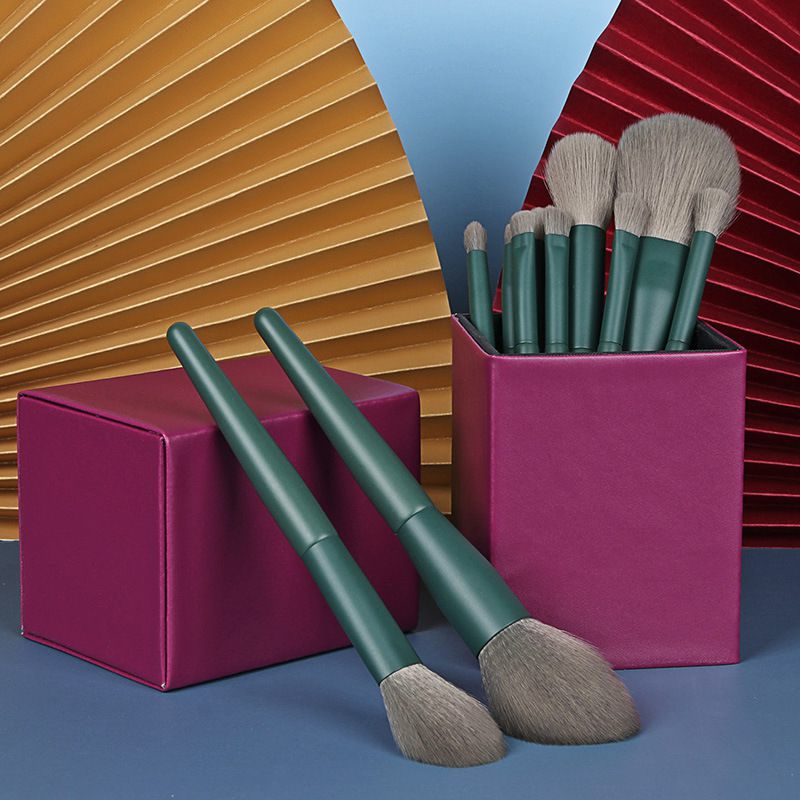
Traditionally, the beauty industry has focused on product sales rather than post-purchase care. A survey by Beauty Tools Insights found that 68% of consumers discard makeup brushes within 12–18 months due to bristle damage, even though 82% wish they could extend the tool’s lifespan. This gap has pushed manufacturers to rethink their approach. “We recognized that our responsibility doesn’t end at the point of sale,” says Elena Martinez, product development director at a major brush brand. “By offering repair and replacement, we’re not only solving a customer pain point but also reducing waste.”
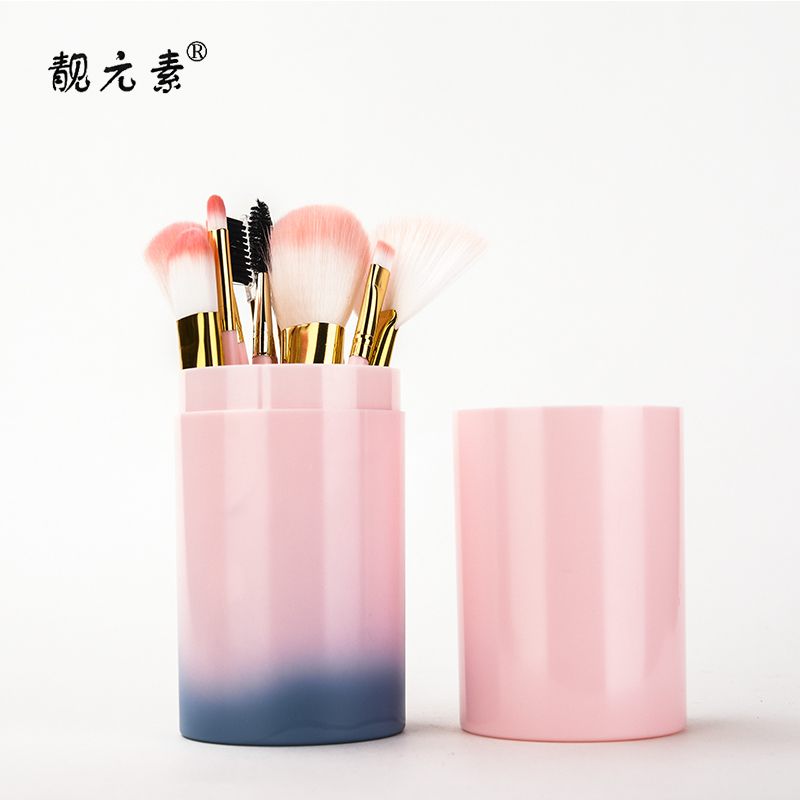
The new services typically include three core components. First, bristle repair: skilled technicians assess minor damage—such as loose or bent bristles—and use specialized adhesives and trimming techniques to restore the brush’s shape and functionality. Second, bristle replacement: for brushes with severe bristle wear (e.g., excessive shedding or irreversible matting), manufacturers replace the entire bristle head with original, high-quality filaments, matching the brush’s original density and texture. Third, complementary care guidance: customers receive tips on proper cleaning, drying, and storage to prevent future damage, extending the brush’s life further.
A key advantage of these services is their reliance on原厂 (original factory) materials. By using the same bristle types—whether synthetic, natural, or blended—and manufacturing standards as the original product, repaired or replaced brushes maintain the performance users expect. For example, a powder brush with soft, cruelty-free synthetic bristles will retain its ability to pick up and distribute product evenly after repair, avoiding the common issue of aftermarket replacements feeling stiff or uneven.
Beyond customer satisfaction, these after-sales initiatives align with the growing global focus on sustainability. The beauty industry is under increasing pressure to reduce its environmental footprint, and extending the lifespan of products is a tangible step. According to the Sustainable Beauty Coalition, repairing or replacing brush bristles instead of buying new brushes can cut carbon emissions by up to 45% per unit, as it reduces the need for raw material extraction, manufacturing, and shipping.
For manufacturers, the move also strengthens brand loyalty. “Customers who use our repair services are 3.2 times more likely to repurchase from us,” notes a sales report from a mid-sized brush maker. “They see us as a brand that values their investment, not just their initial purchase.” This loyalty, in turn, drives word-of-mouth marketing, as satisfied customers share their positive experiences with peers.
Looking ahead, industry experts predict these after-sales services will become a standard offering. “As consumers become more eco-conscious and discerning, brands that fail to provide such support risk falling behind,” says James Lee, a beauty industry analyst. Some manufacturers are even exploring subscription-based care plans, where customers pay a small annual fee for unlimited repairs and priority replacement.
In conclusion, the launch of bristle repair and replacement services by brush makers is more than a customer service upgrade—it’s a strategic shift toward sustainability, quality, and long-term brand trust. By addressing the lifecycle of their products, these manufacturers are not only meeting consumer needs but also setting a new benchmark for responsibility in the beauty tools sector.


